
In part 1, I raised some questions about Revelation’s disputed place in the early church. This one goes deeper, into what may be the most important theological question universalists need to face about this book.
Here’s the setup. Paul tells the Galatians that the gospel was preached beforehand to Abraham: “In you all the nations shall be blessed” (Genesis 12:3; Galatians 3:8). Paul doesn’t call this a side promise. He calls it the gospel. The good news, at its core, is the announcement that through the Seed of Abraham, Jesus Christ, all the nations will finally be blessed.
The Psalms confirm the scope: “All nations whom You have made shall come and worship before You, O Lord, and shall glorify Your name” (Psalm 86:9). Not a remnant taken out of the nations, all nations as nations.
Isaiah confirms the means: “For when Your judgments are in the earth, the inhabitants of the world will learn righteousness” (Isaiah 26:9). Judgment is the instrument of restoration, not its opposite.
And Paul gives us the end: Christ must reign until every enemy is subjected, the last enemy, death, is destroyed, and God becomes “all in all” (1 Corinthians 15:24–28).
That’s the gospel. That’s the apostolic hope most of us in this group already affirm.
Now here’s where it gets uncomfortable.
Paul also says this: “But even if we, or an angel from heaven, preach any other gospel to you than what we have preached to you, let him be accursed” (Galatians 1:8).
And Revelation opens by telling us exactly what it is: “The revelation of Jesus Christ, which God gave Him to show His servants, things which must shortly take place. And He sent and signified it by His angel to His servant John” (Revelation 1:1).
So we have an angel-mediated message. Paul says test it by the gospel preached to Abraham. What does the test reveal?
When Revelation is read the way the church has traditionally read it, the final picture is this: a relatively small company is saved. At the same time, the majority of humanity is tormented “forever and ever” in a “lake of fire.” There are people permanently “outside” the New Jerusalem even after the new heavens and new earth have appeared. Death is never truly abolished. All things are never actually reconciled. God is never “all in all” in any meaningful sense. The Abrahamic promise that all the nations shall be blessed is either drastically narrowed or effectively cancelled.
By Paul’s own standard, the standard he roots not in himself but in God’s promise to Abraham, any message whose final outcome denies the blessing of all nations and prevents God from becoming “all in all” is another gospel. It doesn’t matter if it comes with spectacular visions and overwhelming imagery. The apostle says: don’t receive it.
Here’s my question for the group:
Most of us already reject eternal torment. But how many of us have considered that the very book most responsible for that doctrine may fail the Apostle Paul’s own test for what qualifies as the gospel?
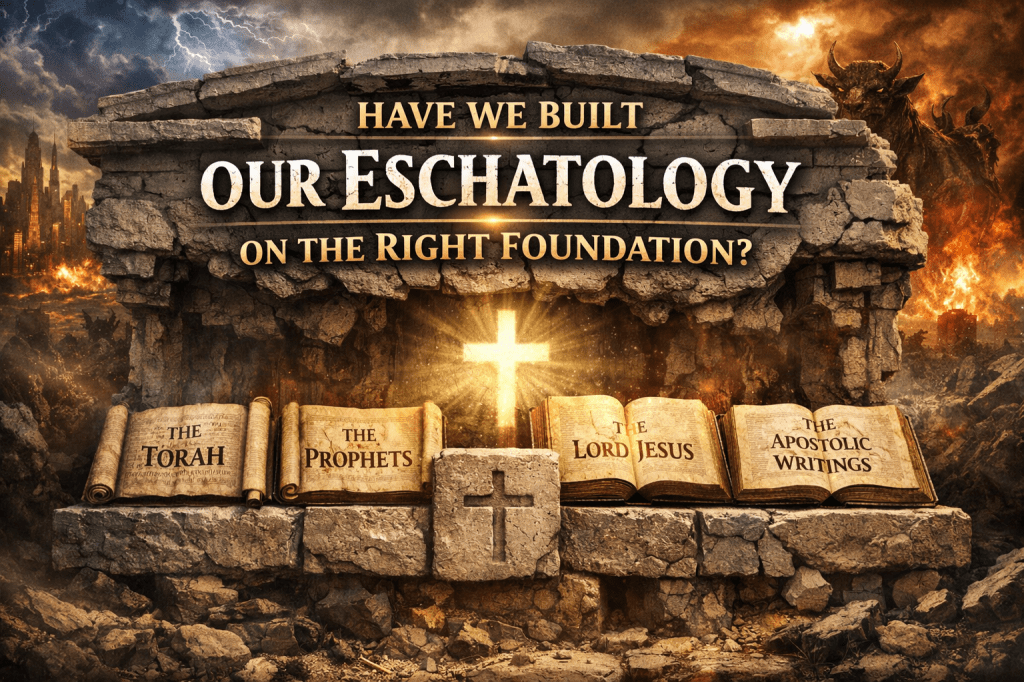
The gospel was preached to Abraham, sung in the Psalms, proclaimed by the Prophets, fulfilled by the Lord Jesus, and expounded by the Apostles, all before any angel ever signified visions to a man named John. If we believe in the restoration of all things, shouldn’t we ask whether our eschatology needs Revelation at all?
Interested to hear your thoughts, especially from those who still use Revelation to frame their universalism.
Next: Part 3 of 5: The Vocabulary Swap Nobody Noticed
If you’re interested in reading the entire chapter from which this series originates, you can find it here: https://restorationtheologypress.com/table-of-contents/chapter-16/ .
 Restoration Theology Press