
Blog Posts
- Why the Restoration of All Things is the most Scriptural Interpretation
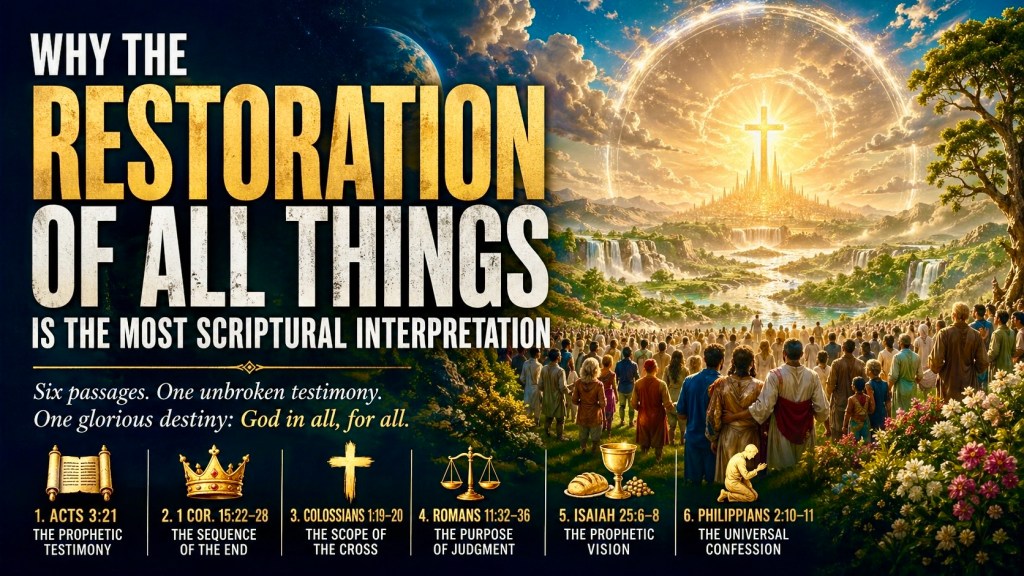 Every major position on the destiny of the lost—eternal torment, annihilationism, and universal restoration—claims to rest on Scripture. But only one of them can account for everything the Bible actually says without quietly reducing the meaning of a single passage. That position is the Restoration of All Things.
 - The True Temple and the Restoration of All Things
 What did the Lord Jesus actually mean when He said, “In My Father’s house are many mansions”? The apostolic writings use two words for two realities that most readers have never distinguished. Hebrews calls the heavenly sanctuary a tabernacle; Paul, Peter, and the Lord Jesus call His Body a temple—the naos, the inner sanctuary. When these two realities are seen clearly, one of the most familiar passages in Scripture takes on an entirely different meaning. John’s Gospel has already answered the question before the reader ever reaches chapter 14—the Father’s house is the temple, and the temple is His body. The dwelling places are not rooms in a heavenly mansion but abiding places created by the indwelling of the Father and the Son in the faithful. The Lord Jesus was not describing rooms in a celestial building. He was describing the Body of Christ He went to prepare through His cross, resurrection, ascension, and the sending of the Spirit—the corporate Temple in which the Father and the Son make Their dwelling. This teaching traces the apostolic vocabulary of tabernacle and temple, unfolds what the Lord actually went to prepare, and reveals why the True Temple—the Lord Jesus and His Body—is the vessel through which God manifests His fullness for the restoration of all things.
 - The Leavening of the Kingdom
 From the beginning, the serpent’s strategy has been to distort the word of God rather than to deny it outright. In the garden he twisted the Lord’s words to Eve; in Israel he mingled idolatry with covenant worship; in the church age he seeks to corrupt the gospel by adding, subtracting, or rearranging truths that are meant to stand together. The Lord Jesus warned His disciples that deception would be widespread in the last days, not only among obvious enemies of God, but among those who speak in His name and stand within the visible bounds of the kingdom community. One of His most penetrating warnings is found in the brief parable of the leaven, in which He shows that false doctrine will work quietly and pervasively within the sphere of the kingdom until the whole visible mass has been affected.
 - Heavenly Jerusalem: The Home of the Faithful
 The Heavenly Jerusalem is not a future city waiting to be created. She is the city of the living God, the Mount Zion above, the heavenly country sought by the patriarchs, and the true tabernacle not made with hands. The Scriptures testify that she already exists in the heaven of heavens, already populated by the angelic host and the spirits of just men made perfect, and already standing as the home prepared for the faithful. From Eden’s garden-sanctuary to Moses’ tabernacle, from Isaiah’s holy mountain to the Lord Jesus’ promise of the Father’s house, Scripture unfolds one consistent pattern: God has prepared a heavenly city for those counted worthy of the resurrection of life. The faithful are not merely forgiven people waiting for an undefined heaven; they are sons and daughters being formed now through the salvation of the soul, so that they may inherit the city when the Lord appears. At His appearing, all who are in the graves will hear His voice and come forth. The faithful will be raised and transformed in celestial glory, gathered to the Lord in the air, and brought into the Heavenly Jerusalem after the tares are bound below. There they will serve as the Royal Priesthood, ministering before God, sharing in the heavenly court, and governing with Christ in the ages to come. This hope is not abstract. It summons us now to live as citizens of the city above—to receive the implanted word, walk by the Spirit, endure the Father’s discipline, refuse the birthright-selling ways of Esau, and lay hold of the prize of the upward call of God in Christ Jesus. The city already stands. The question is whether we are being made ready to enter her in glory.
 - Saving the Soul: The Neglected Doctrine at the Center of the Apostolic Gospel
 Among the most critical doctrines taught by the Lord Jesus and His Apostles—yet one of the most neglected in modern Christianity—is the biblical call to save the soul. While the forgiveness of sins and the begetting of the spirit are gifts bestowed at conversion, the salvation of the soul is a progressive work that unfolds through obedience, repentance, holiness, and cooperation with the Spirit of God. Scripture speaks plainly: believers may save their souls, may lose their souls, or may have their souls destroyed in judgment in the Age to Come. When Christians assume that the soul is automatically saved at conversion, the warnings of the Lord Jesus are softened, ignored, or reassigned to unbelievers. Yet His warnings were addressed to disciples. This teaching traces the doctrine of the soul’s salvation from the Torah, through the Prophets, into the definitive teaching of the Lord Jesus, and out into the Apostolic writings, and shows that what is being formed in the believer’s inner person in this age is nothing less than Christ Himself—the soul-life of the Firstborn Son progressively displacing the soul-life of Adam—and that this formation is the decisive factor in each believer’s portion in the Age to Come.
 - Why the Judgment of God is Necessary for the Restoration of All Things
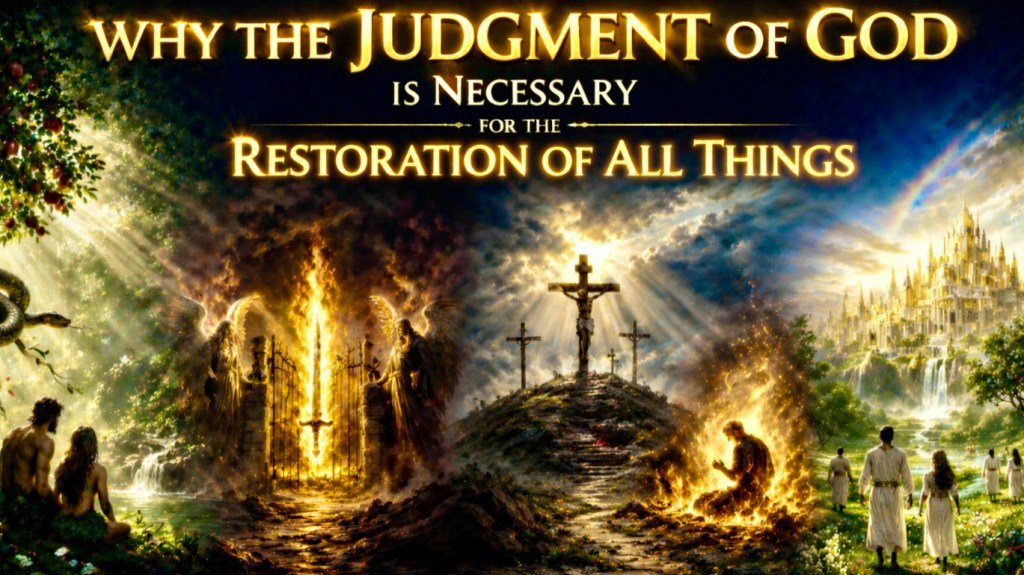 Most Christians have been taught to hold the love of God and the judgment of God in uneasy tension, as though the Father must soften one in order to express the other. But Scripture reveals something far deeper. The judgment of God is not the enemy of His love; it is the severe form of His love, the instrument by which He accomplishes the purpose He has held from the beginning—to form sons and daughters after the image of His eternal Firstborn Son. When Adam was driven from the garden, the Lord did not destroy the way to the tree of life. He guarded it. Cherubim with a flaming sword were stationed at Eden’s gate, not to cancel the inheritance but to declare that Adamic corruption could not pass through to touch it. That single image in Genesis 3:24 sets the entire biblical pattern in motion: the way to life passes through judgment. From the flaming sword at Eden’s gate, through the cross, into the Father’s present discipline of His faithful sons and daughters and the fires of Gehenna in the Age to Come, one holy fire runs through the whole story of Scripture. This teaching traces that fire from the Torah through the Prophets into the Lord Jesus and the Apostles, and shows why the Restoration of All Things cannot come without it.
 - What Universalists Often Overlook About the Restoration of All Things
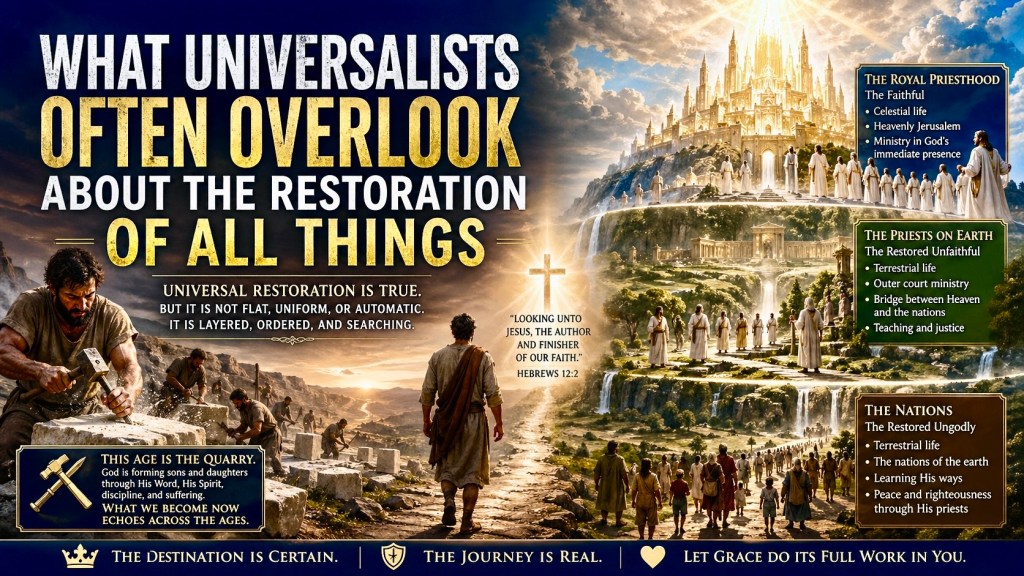 Those who believe in God’s restoration of all things hold the most optimistic theological doctrine. Biblical universal restoration is indeed true. However, some who harbor this hope have overlooked the journey and the fact that Scripture, from Genesis to the Epistles, consistently emphasizes the existence of a faithful remnant within the people of God. Here are seven often overlooked aspects: the faithful remnant, the weight of judgment, the gift and the prize, the three orders of the age to come, the purpose of this present age, the meaning of “age-lasting,” and the mercy that refuses to be weak.
 - Thoughts of Peace: The Father’s Measured Hand in Every Circumstance
 The words of Jeremiah 29:11 were not first spoken to people whose lives were flourishing. They were spoken to a nation in exile, living under a foreign empire, mourning a ruined temple, wondering whether the God of their fathers had abandoned them. In that moment of deepest uncertainty, the LORD broke into their despair with a sentence that would be copied onto the walls of houses and the pages of journals for millennia to come. He was not indifferent, He was not absent, and He was not surprised. He had thoughts toward them—good thoughts—thoughts of peace and not of evil, thoughts aimed at a future and a hope. That same word reaches every son and daughter of the living God today. The believer who walks through suffering, loss, confusion, or fear is not outside the orbit of the Father’s thoughts. He is the object of them. And the testimony of Scripture from beginning to end is that those thoughts are measured, intentional, and aimed at a glory the believer cannot yet see. This teaching is drawn from the whole canon to build in the heart of the faithful believer an unshakable confidence: every circumstance of the believer’s life has passed first through the counsel of a Father whose thoughts toward him are thoughts of peace.
 - Prayer of Protection and Victory
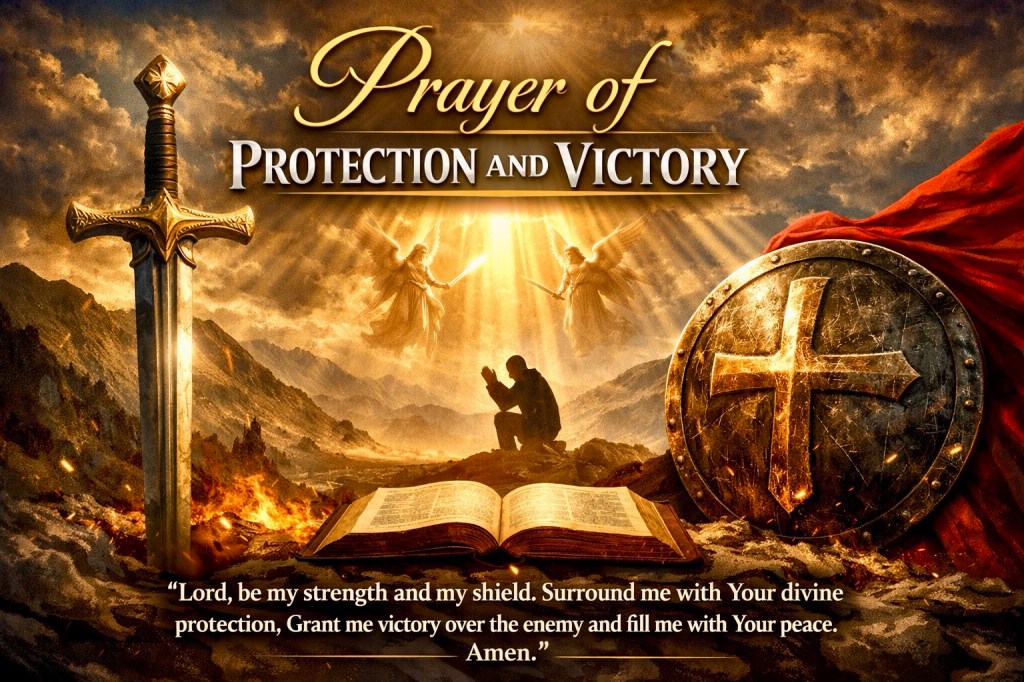 This prayer is a powerful prayer, and I recommend you pray it daily.
 - Christ Formed in You: The True Meaning of Gold, Silver, and Precious Stones
 Gold, silver, and precious stones are not your best religious performances. Wood, hay, and straw are not your worst moral failures. When Scripture interprets Scripture—from the Sower to the Vine to the Potter’s wheel—a far deeper picture emerges. The building materials of 1 Corinthians 3 describe what is actually being formed in the believer’s soul. The question is not what you have done, but what you have become.
 - What the Church Lost About the Age to Come
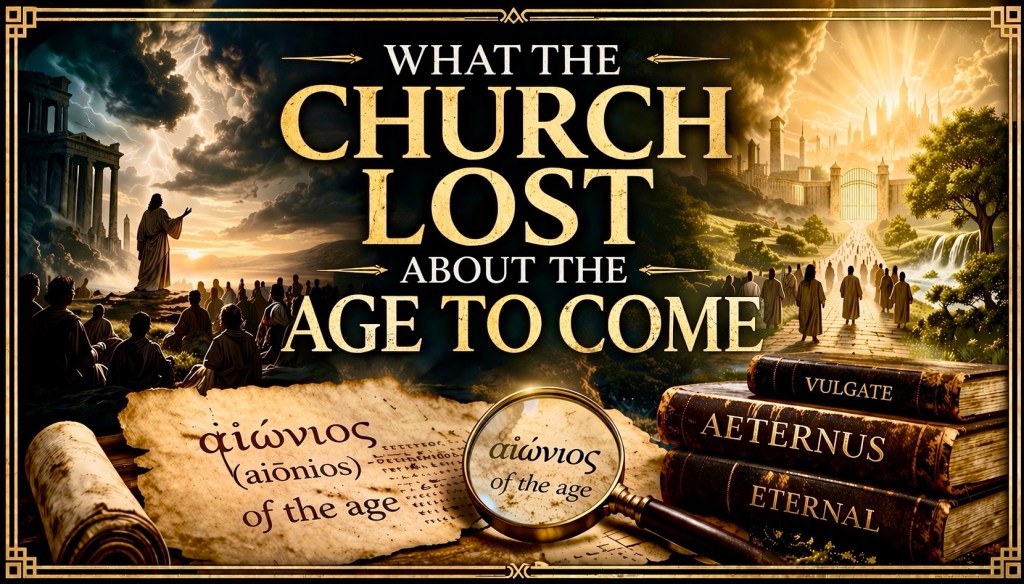 The Lord Jesus never described an abstract eternity. He described a coming age — real, concrete, and arriving. And the word He used to describe it has been mistranslated for over a thousand years. When that word is restored to its original meaning, the parables open up, the warnings make sense, and the tension between judgment and restoration resolves in a way that neither side of the debate expected.
 - The Lord Jesus Settled This: One Hour, One Resurrection, Two Destinies.
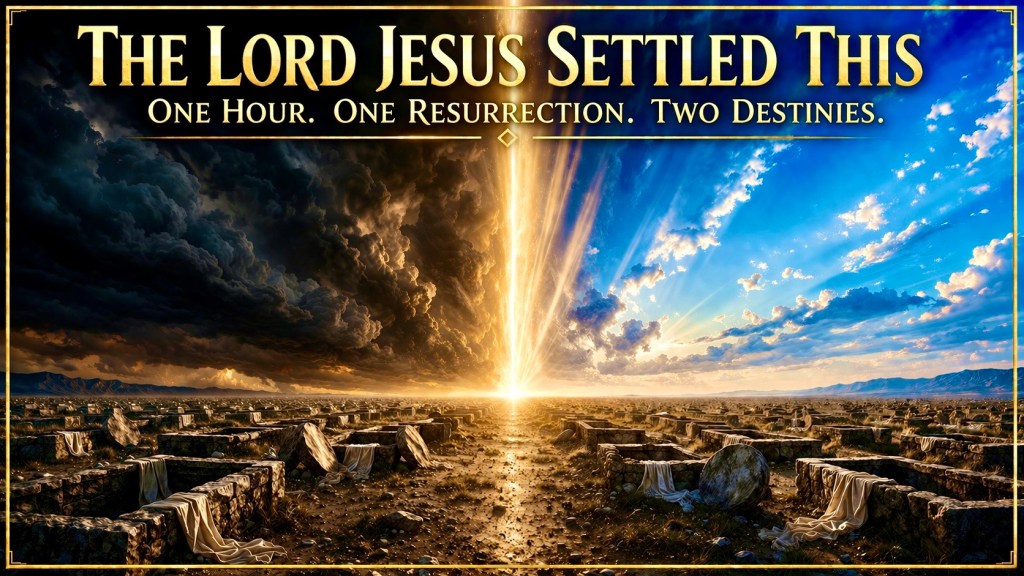 In John 5:28–29, the Lord Jesus declared that one hour is coming in which all who are in the graves will hear His voice and come forth — some to the resurrection of life, others to the resurrection of judgment. He said one hour, all the dead, two outcomes. That statement, read carefully and on its own terms, resolves the rapture and resurrection controversy at its root.
 - The Lord Jesus Taught Gehenna—Not a Lake of Fire
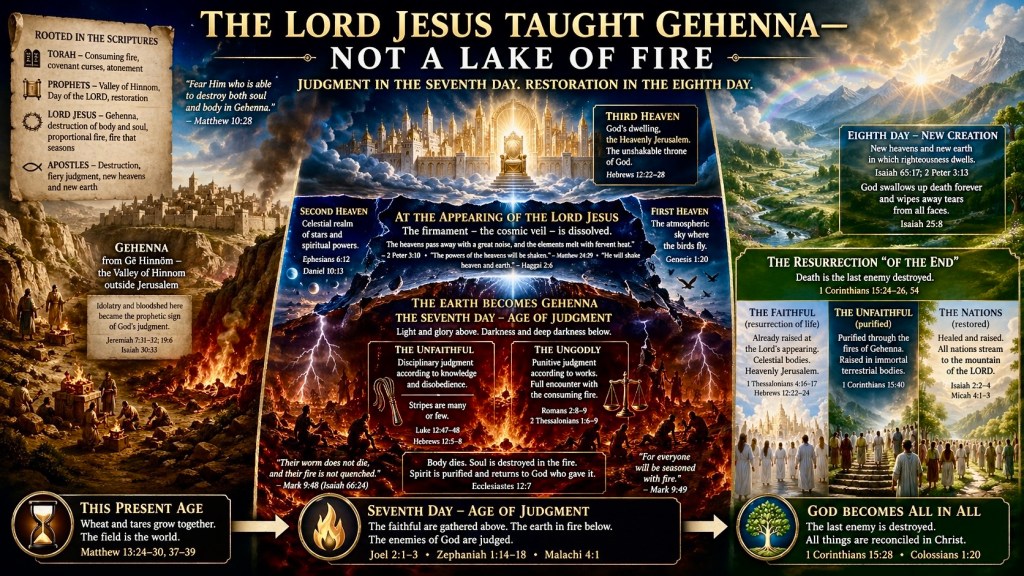 The Lord Jesus warned of Gehenna — not a “lake of fire.” In this teaching, we trace the Lord’s own words on judgment through the Torah, the Prophets, and the Apostolic Epistles. We examine the disputed history of the Book of Revelation, recover the deep canonical roots of Gehenna in the consuming fire of Sinai, the Valley of Hinnom, and the prophetic Day of the Lord, and listen carefully to what the Lord Jesus actually said about the nature, purpose, and duration of divine judgment. We then follow the Scriptures into the cosmic architecture of the heavens and the earth — how the firmament dissolves at His appearing, how the Heavenly Jerusalem is unveiled in glory, and how the earth itself becomes Gehenna in the sabbath-long Seventh Day. Finally, we ask the question the canonical Scriptures themselves answer: What happens when Gehenna ends, the last enemy is destroyed, and God becomes all in all?
 - The Gospel Preached to Abraham: Why the Good News Is Bigger Than We’ve Been Told
 Most Christians, if asked to define the gospel, would answer with a summary of the death, burial, and resurrection of the Lord Jesus Christ. That answer is not wrong — it names the decisive event upon which the entire purpose of God turns. But it is incomplete. It mistakes the climactic act of a story for the whole story. It confuses the fulfillment of a promise with the promise itself. The Apostle Paul, writing under the inspiration of the Holy Spirit, traces the gospel not to the cross but to a much earlier moment. He says that the Scripture “preached the gospel to Abraham beforehand” (Galatians 3:8). The good news was not invented in the first century. It was announced in Genesis, confirmed in the Psalms, amplified by the Prophets, fulfilled in the Lord Jesus, and expounded by the Apostles. At its core, the gospel is not merely the announcement that sinners can be forgiven. It is the announcement that through the Seed of Abraham — the Lord Jesus Christ — all the nations of the earth will finally, fully, and permanently be blessed. This teaching traces that gospel from its seed-form in Abraham through its fulfillment in Christ and its ultimate consummation in the ages to come. It is written for anyone who senses that the gospel they have been taught may be smaller than the gospel the Apostles actually preached. The Scriptures themselves will be our guide.
 - The Glorious Eschatology the Apostles Had Before the Book of Revelation
 Every Apostolic letter in the New Testament was written before Revelation. Paul wrote about the appearing of the Lord Jesus, the universal resurrection, and God becoming “all in all” — with total confidence and without a single reference to anything in Revelation. Peter described the Day of the Lord and the dissolution of the heavens. The Lord Jesus taught the resurrection of all humanity in one hour. The Apostolic eschatology was complete. But here’s what most people don’t know: the Book of Revelation was disputed in the early Church for roughly three hundred years. Eusebius classified it among the “disputed” writings. Cyril of Jerusalem excluded it from his canonical list. The Council of Laodicea left it out entirely. The Syrian churches — the communities closest to the Apostolic heartland — didn’t accept it until the sixth century. Even Luther, Zwingli, and Calvin harbored serious doubts about it. So what did the early believers believe about the end during those centuries? Where did they get their eschatology? They got it from the Lord Jesus and the Apostles. And it’s breathtaking.
 - A Case for the Restoration of All Things
 What if the Bible teaches something about judgment, death, and the final destiny of humanity that most of us were never shown? Not a denial of judgment—but its proper goal. Not a softening of God’s holiness—but a deeper view of His purpose. What if the Scriptures, read in their own language and their own order, reveal a God whose mercy outlives the grave, whose judgments purify rather than perpetuate suffering, and whose purpose is to fill all things with Himself? This post is not a defense of sentimental universalism. It is a case built entirely on Scripture—from the Torah, the Prophets, the Lord Jesus, and the Apostles—for the restoration of all things.
 - Chapter 2 Preview: The Purpose of Creation and the Destiny of Humanity
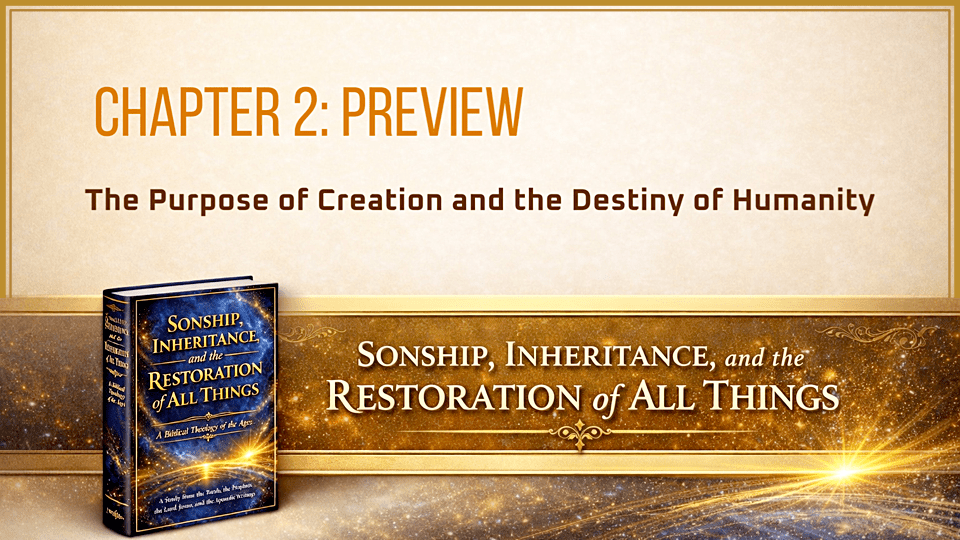 The Scriptures reveal that creation did not emerge from chaos, randomness, or cosmic accident. The opening declaration, “In the beginning God created the heavens and the earth” (Genesis 1:1), introduces not merely the start of history, but the unveiling of the first stage in “the purpose of the ages”—the counsel of God by which He accomplishes His plan in Christ (Ephesians 3:10–11, literal). Creation is the deliberate expression of divine wisdom, intention, and glory—the arena in which the counsel conceived before the foundation of the world begins to unfold in visible form (Ephesians 1:4). Nothing about creation is incidental. From the beginning, God designed the heavens and the earth as the setting in which He would bring forth His sons and daughters, display His manifold wisdom, and move all things toward the restoration He has spoken by the prophets and established through the Son (Romans 8:19–23; Acts 3:21; Colossians 1:16–20).
 - The Resurrection That Changes Everything: From One Grain to a Harvest
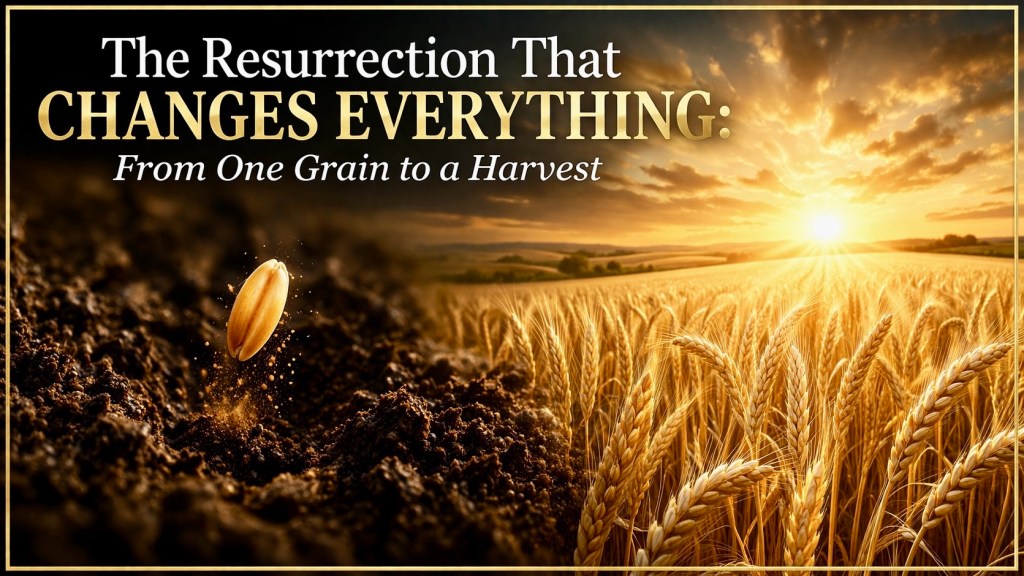 The Lord Jesus said, “Most assuredly, I say to you, unless a grain of wheat falls into the ground and dies, it remains alone; but if it dies, it produces much grain” (John 12:24). He was speaking of Himself. He was the solitary grain—the one Man who entered death, was buried in the earth, and came forth as something entirely new. Through His death and resurrection, the Lord Jesus became “the firstborn from the dead” (Colossians 1:18). His resurrection is the first full birth of a human being into the new creation. It is the first time a Man was brought entirely and permanently into the mode of the Spirit. He Himself taught the principle: “That which is born of the flesh is flesh, and that which is born of the Spirit is spirit” (John 3:6).
 - What If You Have the Destination Right but the Journey All Wrong?
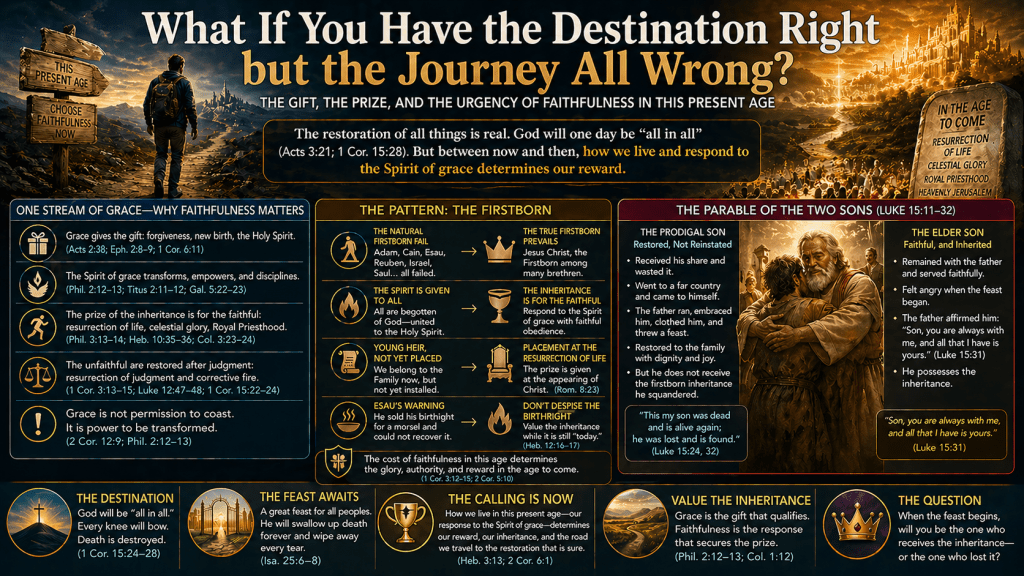 If everyone is eventually restored, and I believe they are, then why does Scripture place such an urgent emphasis on faithfulness in this present age? Here’s what I think many of us miss: God is not simply saving everyone now. He is calling out a faithful first-fruits company of sons and daughters, conformed to the image of His faithful Firstborn Son (Romans 8:29), right now, in the midst of this present evil age for a glorious purpose (1 Peter 2:9).
 - What makes Biblical Universalism different from the “universalism” that most Christians reject?
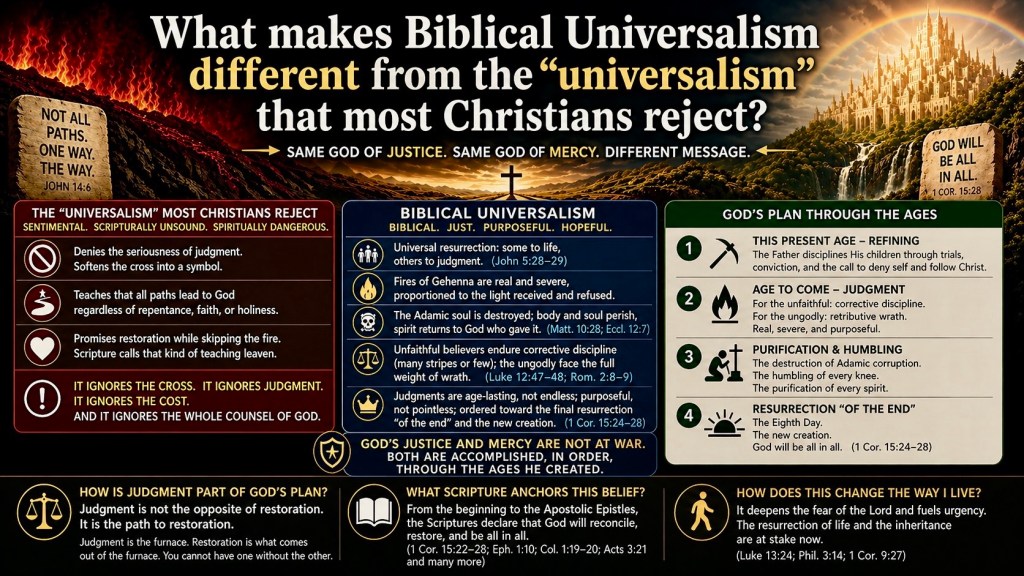 The universalism most Christians reject, and rightly so, is a sentimental universalism that denies the seriousness of judgment, softens the cross into a symbol, and teaches that all paths lead to God regardless of repentance, faith, or holiness. It promises restoration while skipping the fire. Scripture calls that kind of teaching leaven.
 - Here’s why I lean toward “proportional but finite” judgment.
 The Lord Jesus Himself teaches graduated judgment. The servant who knew his master’s will and refused receives “many stripes”; the one who didn’t know receives “few” (Luke 12:47–48). He warns that it will be “more tolerable” for Sodom in the day of judgment than for the cities that saw His miracles and refused to repent (Matthew 11:24). If punishment comes in degrees, many and few, more tolerable and less tolerable, then it is measured, not flat and undifferentiated.
 - Have We Built Our Eschatology on the Right Foundation?
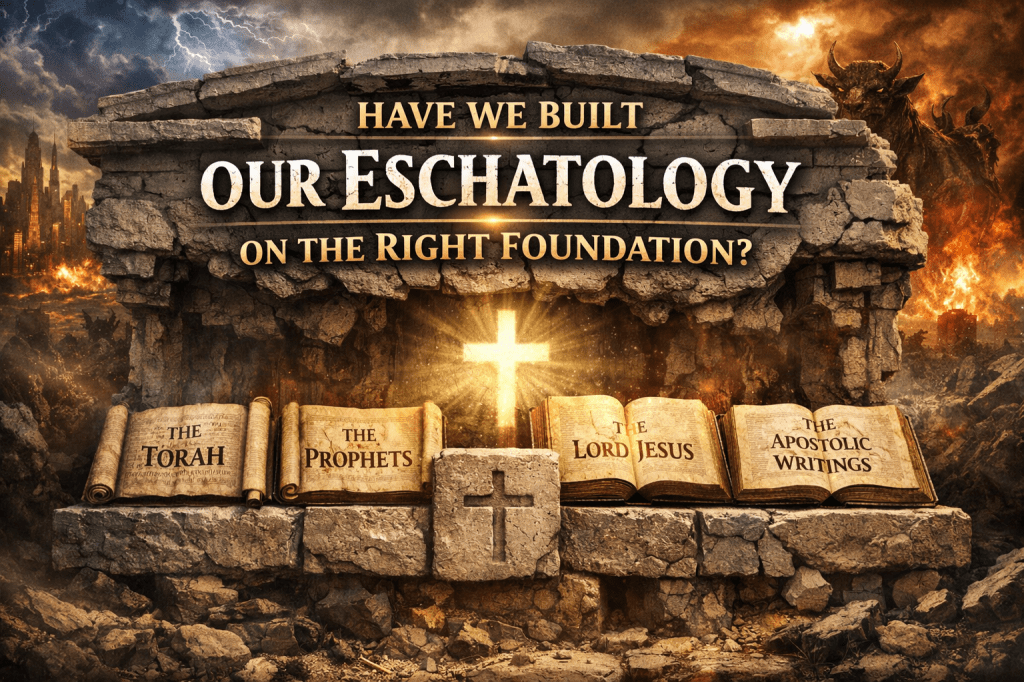 I affirm the restoration of all things. But here’s a question I think we need to wrestle with more seriously: How much of our eschatological framework still depends on the Book of Revelation? Consider what the early church record actually shows: Dionysius of Alexandria, Origen’s own student, conducted a detailed linguistic analysis and concluded Revelation could not have been written by the Apostle John. His influence shaped the Eastern churches’ skepticism for centuries. Cyril of Jerusalem excluded Revelation from his canonical list entirely in his Catechetical Lectures (c. AD 348). His catechumens were instructed to read only the books he listed, and Revelation wasn’t among them. The Council of Laodicea (AD 363–364) excluded Revelation from its canon, and this council represented churches in Asia Minor, the very region where the seven churches of Revelation were located. The Syrian churches, geographically and linguistically closest to the apostolic world, didn’t accept Revelation until the sixth century. The Peshitta, the standard Syriac Bible, did not include it. To this day, the Syriac Orthodox Church and the Assyrian Church of the East use a lectionary drawn from only the twenty-two books of the Peshitta. Revelation is not among them.
 - New Book
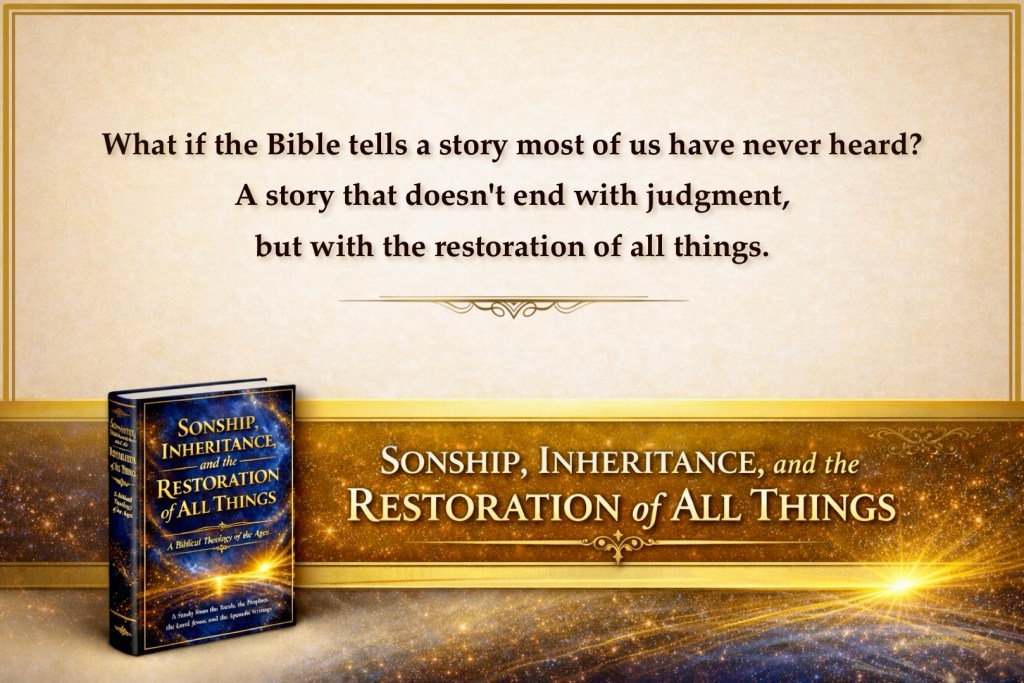 Most of us were taught that the Bible’s story ends one of two ways: eternal torment for the lost, or annihilation, as if God simply gives up on what He made. But what if neither of those options reflects what Scripture actually teaches? “Sonship, Inheritance, and the Restoration of All Things” traces God’s purpose from Genesis through the Prophets, the teaching of the Lord Jesus, and the Apostolic writings, and it reveals a story far bigger than most of us have heard. A story where judgment is real, serious, and age-lasting, but where mercy triumphs over judgment, death itself is destroyed, and God becomes all in all. This isn’t wishful thinking. It’s what the Bible says when you let it speak in its own order.
 - What If “Destroy” Doesn’t Mean What You Think?
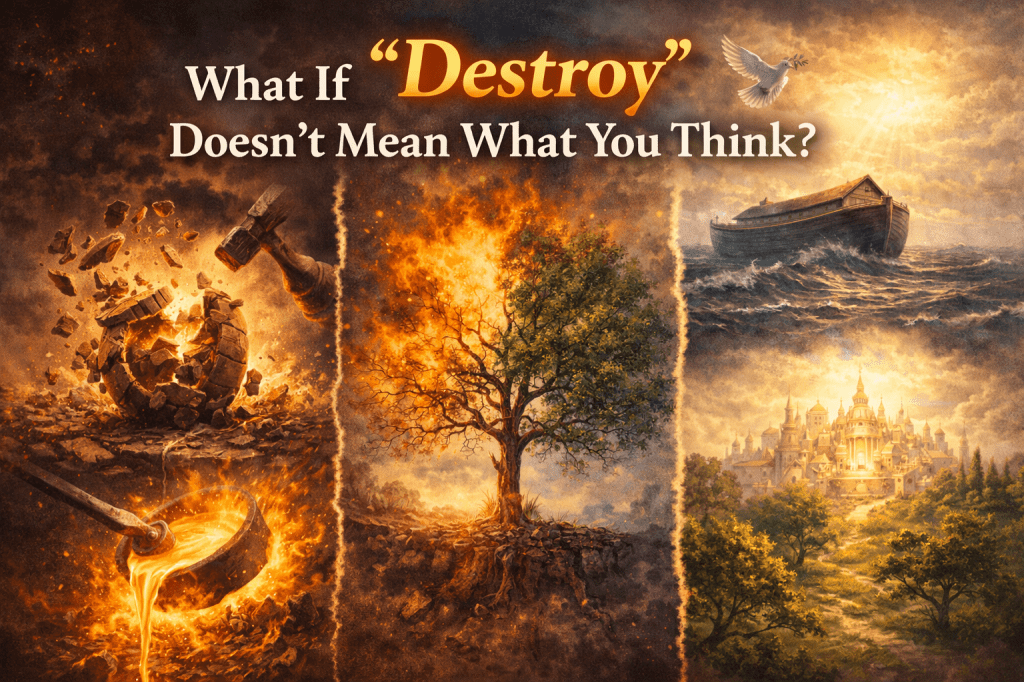 Few words in the Bible carry more theological weight — or more unexamined assumptions — than the word “destroy.” When most people encounter it in Scripture, they hear one of two things: either permanent extinction (the person ceases to exist) or the opening act of eternal conscious torment (the person is ruined and then suffers forever). Both readings share the same assumption: destruction is the end of the story. But what if the Bible itself defines destruction differently? What if, from Genesis to the Apostolic Writings, the consistent testimony of Scripture is that divine destruction is not the end of the story but the middle of it — the painful, necessary act by which God removes what is corrupt so that He can remake what He loves?
 - The Gift and the Prize: Two Things the Church Has Collapsed Into One
 Ask most Christians what they’re saved for, and you’ll get a one-word answer: heaven. Ask what determines whether they get there, and you’ll hear: faith in Christ. And both answers, as far as they go, are true. But they flatten something the Lord Jesus and His Apostles kept carefully distinct — and that flattening has quietly distorted how millions of believers understand their own lives. Scripture speaks of two things, not one: a gift and a prize. Most theology has collapsed them into a single event called “getting saved.” But the biblical writers never did.
 - What If “Outer Darkness” Isn’t only About Unbelievers?
 You’ve probably heard this phrase in a sermon. A preacher quotes Matthew 25:30 — “Cast the unprofitable servant into the outer darkness. There will be weeping and gnashing of teeth” — and the application is immediate: this is what happens to people who reject Christ. Outer darkness is hell, and hell is for the lost. But what if that reading misses the most unsettling part of the passage?
 Restoration Theology Press